
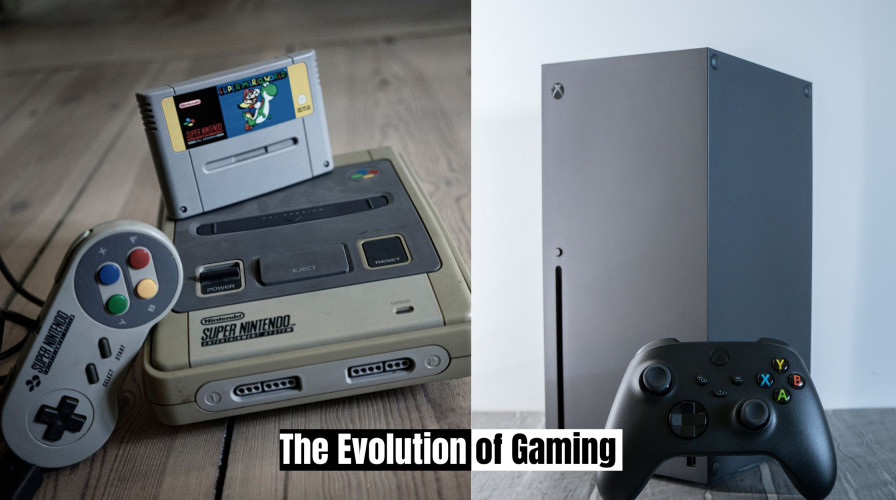
From Joysticks to Headsets: The Evolution of Gaming from Arcade Classics to Virtual Reality
The gaming industry has witnessed a remarkable transformation over the past few decades. What began as a niche pastime with simple arcade machines has blossomed into a global phenomenon with sophisticated virtual reality experiences. This evolution has not only revolutionized entertainment but also redefined social interactions, technology, and culture. Let's take a journey through the history of gaming, exploring its humble beginnings and its astonishing advancements.
The Arcade Era: The Birth of Modern Gaming
The 1970s and 1980s marked the golden age of arcade gaming. With iconic titles like "Pong," "Pac-Man," and "Space Invaders," arcades became the epicenter of entertainment for a generation. These games, characterized by their simple mechanics and addictive gameplay, captured the imaginations of millions.
Arcades were more than just places to play games; they were social hubs where friends gathered to compete and share experiences. The high-score leaderboard was the ultimate badge of honor, fostering a spirit of competition and camaraderie.
The Home Console Revolution
The late 1980s and 1990s saw the rise of home consoles, bringing the arcade experience into living rooms worldwide. Companies like Nintendo, Sega, and later Sony and Microsoft, introduced groundbreaking systems that redefined gaming. Titles like "Super Mario Bros.," "Sonic the Hedgehog," and "The Legend of Zelda" became household names.
Home consoles offered more complex and immersive games, thanks to advancements in graphics and processing power. The introduction of 3D graphics with consoles like the Nintendo 64 and PlayStation revolutionized game design, paving the way for more intricate and expansive virtual worlds.
The PC Gaming Renaissance
While consoles dominated the living room, personal computers became the platform of choice for a different breed of gamer. The flexibility and power of PCs allowed for a diverse range of gaming experiences, from real-time strategy games like "StarCraft" to first-person shooters like "Doom" and "Half-Life."
PC gaming also fostered a strong modding community, where players could create and share their own game modifications. This culture of creativity and innovation contributed to the development of many iconic games and genres.
The Online Gaming Explosion
The advent of the internet brought about another seismic shift in the gaming landscape. Online multiplayer games like "World of Warcraft," "Counter-Strike," and later "Fortnite" transformed gaming into a social activity that transcended geographical boundaries. Players could now team up or compete with others from around the world, creating a global gaming community.
The rise of online gaming also gave birth to eSports, where professional gamers compete in organized tournaments for substantial prizes. eSports has grown into a billion-dollar industry, with millions of fans watching live streams and attending events.
The Mobile Gaming Boom
The proliferation of smartphones in the late 2000s introduced gaming to a broader audience. Mobile games like "Angry Birds," "Candy Crush," and "Pokémon GO" brought gaming to the fingertips of millions, making it accessible to people of all ages and backgrounds.
Mobile gaming's success lies in its convenience and the sheer variety of games available. Whether it's a quick puzzle game or a more involved role-playing experience, mobile games offer something for everyone.
The Dawn of Virtual Reality
Today, we stand at the threshold of the next frontier in gaming: virtual reality (VR). With VR headsets like the Oculus Rift, HTC Vive, and PlayStation VR, players can immerse themselves in fully realized virtual environments. VR gaming offers unprecedented levels of immersion, allowing players to physically interact with their surroundings and experience games in a whole new way.
Virtual reality has the potential to revolutionize not just gaming, but also other fields such as education, training, and therapy. The technology is still in its early stages, but its impact on the future of gaming and beyond is undeniable.
Conclusion
The evolution of gaming from arcade classics to virtual reality showcases the incredible advancements in technology and creativity over the past few decades. Each era of gaming has brought with it new innovations and experiences, captivating players and pushing the boundaries of what is possible.
As we look to the future, the potential for further growth and transformation in gaming is limitless. Whether through more advanced VR experiences, augmented reality, or new forms of interactive entertainment, the journey of gaming is far from over. The only certainty is that the evolution of gaming will continue to surprise and delight us, offering new ways to play, connect, and explore.
Related Tag :